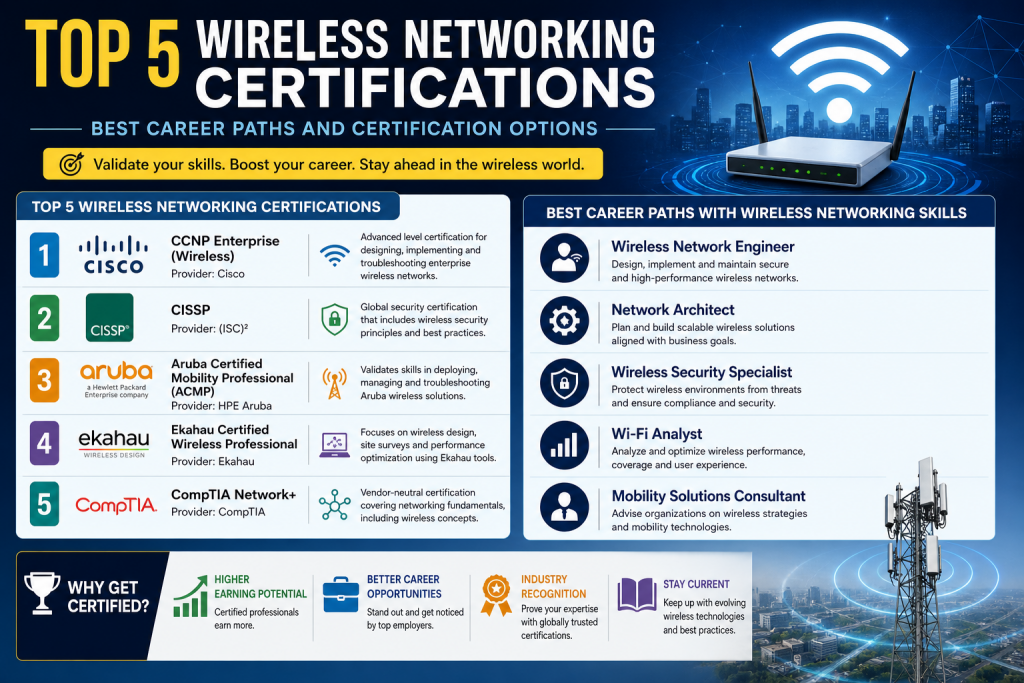
Wireless technology has become one of the fastest-moving areas in the IT industry, and its pace of development continues to accelerate. Over the last decade, each new generation of Wi-Fi standards has brought significant improvements in speed, efficiency, and reliability. These changes are not just incremental—they reshape how individuals and organizations connect, communicate, and operate.
The transition from earlier wireless standards to modern ones has dramatically expanded network capabilities. Wi-Fi 5 marked a major shift by enhancing the use of the 5 GHz band, offering better performance compared to older frequencies. Then came Wi-Fi 6, which introduced advanced features such as improved device handling, reduced congestion, and enhanced energy efficiency. Now, Wi-Fi 7 is pushing the boundaries even further by delivering extremely high throughput, ultra-low latency, and expanded support across multiple frequency bands including 2.4 GHz, 5 GHz, and 6 GHz.
These advancements are not happening in isolation. They are closely tied to broader technological trends such as cloud computing, remote work, smart devices, and the Internet of Things. Businesses rely on wireless networks not only for internet access but also for critical operations like real-time communication, automation, monitoring, and data collection. As organizations continue to expand their digital capabilities, the importance of robust and scalable wireless infrastructure becomes even more apparent.
Another factor driving the growth of wireless technology is the increasing number of connected devices. From smartphones and laptops to sensors and industrial equipment, modern networks must support a wide range of devices with varying requirements. This creates complex environments that demand careful planning, efficient management, and ongoing optimization.
Because of this complexity, the role of wireless professionals has become more critical than ever. It is no longer enough to simply set up a router and expect everything to work smoothly. Today’s wireless environments require skilled individuals who understand radio frequency behavior, network design principles, security considerations, and performance tuning.
This is where certifications come into play. They provide a structured way to learn essential concepts, validate your skills, and demonstrate your expertise to employers. In a field that evolves so quickly, certifications also help professionals stay current with the latest technologies and best practices.
Choosing the right certification, however, can be challenging. Some certifications focus on foundational knowledge, while others are designed for specialized or advanced roles. Understanding where to start and how to progress is key to building a successful career in wireless networking.
Why Certifications Matter in Wireless Careers
Certifications have become an essential part of building a career in information technology, and this is especially true in the field of wireless networking. Unlike some industries where experience alone may be sufficient, IT often requires formal validation of skills. Certifications serve as proof that you have a certain level of knowledge and competence in a specific area.
One of the main benefits of certifications is credibility. Employers want to know that the people they hire are capable of handling complex systems and solving real-world problems. A certification shows that you have gone through a standardized process of learning and assessment, which increases confidence in your abilities.
In wireless networking, this is particularly important because of the technical challenges involved. Designing and managing wireless networks requires an understanding of both theoretical concepts and practical applications. Certifications help bridge this gap by combining knowledge with real-world scenarios.
Another advantage of certifications is that they provide a clear learning path. For beginners, they offer a structured introduction to the field, starting with basic concepts and gradually moving toward more advanced topics. For experienced professionals, certifications help deepen expertise and open up new career opportunities.
Certifications also play a role in career advancement. Many organizations use them as benchmarks for promotions, salary increases, and specialized roles. Having the right certification can set you apart from other candidates and increase your chances of landing a desirable position.
In addition, certifications encourage continuous learning. The technology landscape is constantly changing, and staying up to date is essential. Preparing for certification exams requires you to study new developments, review best practices, and refine your skills.
Another important aspect is vendor neutrality. Some certifications focus on specific products or technologies, while others provide a broader understanding that can be applied across different environments. Vendor-neutral certifications are particularly valuable in wireless networking because they allow professionals to work with a wide range of equipment and systems.
Ultimately, certifications are more than just credentials. They represent a commitment to learning, a willingness to grow, and a dedication to excellence. For anyone serious about a career in wireless networking, they are an investment that can pay off in many ways.
Building a Strong Foundation with CompTIA Network+
Before diving into specialized wireless certifications, it is important to establish a solid foundation in general networking. This is where CompTIA Network+ becomes highly relevant. Although it is not exclusively focused on wireless technologies, it provides the essential knowledge needed to understand how networks function as a whole.
Networking can be compared to the structure of a building. The foundational elements support everything that comes later. Wireless networking is built on top of these fundamentals, which means that without a strong base, it becomes difficult to fully grasp more advanced concepts.
CompTIA Network+ covers a wide range of topics, including network architecture, protocols, addressing, security, and troubleshooting. These are all critical areas that influence how wireless networks operate. For example, understanding IP addressing and routing is essential when configuring wireless devices and ensuring proper connectivity.
One of the key strengths of Network+ is its vendor-neutral approach. Instead of focusing on a specific brand or technology, it teaches universal principles that apply across different environments. This makes it an excellent starting point for individuals who are new to networking.
Wireless professionals often work with equipment from multiple vendors, each with its own features and configurations. Having a broad understanding of networking concepts allows you to adapt more easily and work effectively in diverse settings.
Another important aspect of Network+ is its focus on troubleshooting. Networks are complex systems, and issues can arise from various sources. Being able to identify and resolve problems quickly is a valuable skill that applies to both wired and wireless environments.
For beginners, Network+ provides a structured introduction to networking concepts. It helps build confidence and prepares you for more advanced certifications. For those with some experience, it reinforces existing knowledge and fills in any gaps.
It is also worth noting that wireless networks do not exist in isolation. They are part of a larger infrastructure that includes switches, routers, servers, and other components. Understanding how these elements interact is essential for designing and managing effective wireless solutions.
While it may be tempting to skip foundational certifications and jump directly into wireless-specific topics, doing so can create challenges later on. Without a solid understanding of networking basics, it becomes harder to troubleshoot issues, optimize performance, and implement advanced features.
CompTIA Network+ serves as a stepping stone that prepares you for more specialized certifications. It ensures that you have the knowledge and skills needed to succeed in the field of wireless networking.
Understanding Wireless Fundamentals with Certified Wireless Specialist
Once you have a basic understanding of networking, the next step is to focus on wireless-specific concepts. The Certified Wireless Specialist certification is designed to introduce these concepts in a clear and accessible way.
This certification is ideal for individuals who are new to wireless technology or who need a general understanding of how wireless networks function. It focuses on fundamental concepts such as wireless standards, frequency bands, and the components that make up a wireless network.
One of the main goals of the Certified Wireless Specialist certification is to simplify complex ideas. Wireless networking involves many technical details, but this certification presents them in a way that is easy to understand. This makes it suitable for a wide range of professionals, including those in non-technical roles.
For example, individuals working in sales or project management may need to understand wireless technologies in order to communicate effectively with clients or team members. This certification provides the knowledge needed to discuss wireless concepts confidently without requiring deep technical expertise.
Another advantage of this certification is its vendor-neutral approach. It does not focus on specific products or brands, allowing learners to gain a broad understanding of wireless technologies. This flexibility is particularly useful in environments where multiple vendors are involved.
The Certified Wireless Specialist certification also serves as a stepping stone for more advanced certifications. It lays the groundwork for deeper learning by introducing key concepts and terminology. Once you are comfortable with these basics, you can move on to more technical topics with greater confidence.
However, it is important to recognize that this certification is not intended for advanced roles. It does not cover detailed configuration or troubleshooting skills. Instead, it provides a conceptual overview that prepares you for further learning.
For those who are already experienced in networking or wireless technologies, this certification may be too basic. In such cases, it may be more beneficial to pursue a more advanced certification that aligns with your skills and career goals.
Despite its limitations, the Certified Wireless Specialist certification plays an important role in the learning journey. It provides a solid introduction to wireless technology and helps individuals understand the key concepts that underpin modern wireless networks.
Developing Practical Skills with Certified Wireless Technician
After gaining a basic understanding of wireless concepts, the next step is to develop practical skills. The Certified Wireless Technician certification is designed to help individuals move from theory to hands-on application.
This certification focuses on the tasks that technicians perform in real-world environments. It covers activities such as installing wireless devices, configuring access points, and troubleshooting connectivity issues. These are essential skills for anyone working in entry-level technical roles.
One of the key aspects of this certification is its emphasis on practical knowledge. Instead of focusing solely on theory, it teaches how to apply concepts in real situations. This makes it highly relevant for those who want to work directly with wireless technologies.
Understanding how to configure and manage wireless devices is a critical skill. Networks must be set up correctly to ensure reliable performance and security. The Certified Wireless Technician certification provides the knowledge needed to perform these tasks effectively.
Another important component is troubleshooting. Wireless networks can be affected by various factors, including interference, signal strength, and device compatibility. Being able to identify and resolve issues is essential for maintaining network performance.
The certification also introduces basic concepts related to radio frequency behavior. Understanding how signals propagate and how different factors affect performance can help technicians make better decisions when installing and configuring wireless systems.
In addition, the Certified Wireless Technician certification emphasizes the importance of following design specifications. In many organizations, network designs are created by experienced engineers and then implemented by technicians. Being able to interpret and follow these designs ensures that installations are carried out correctly.
Like other certifications in this category, it is vendor-neutral. This means that the skills you learn can be applied across different platforms and technologies. This flexibility is valuable in a field where equipment and requirements can vary widely.
For individuals starting their careers in wireless networking, this certification provides a strong foundation. It bridges the gap between basic knowledge and practical application, helping learners gain confidence in their abilities.
While it is not an advanced certification, it plays a crucial role in preparing individuals for more specialized roles. By developing hands-on skills, it sets the stage for further growth and advancement in the field of wireless networking.
Advancing Your Career with Certified Wireless Network Administrator
As wireless networking becomes more central to modern IT infrastructure, there is a growing need for professionals who can go beyond basic setup and support tasks. Organizations are looking for individuals who can design, manage, secure, and optimize wireless networks at a deeper level. This is where the Certified Wireless Network Administrator certification becomes highly valuable.
This certification is often considered one of the most well-rounded credentials in the wireless field. It is designed for IT professionals who already have a solid understanding of networking fundamentals and want to specialize in wireless technologies. Unlike entry-level certifications, it focuses on both theoretical knowledge and practical application, making it suitable for those who want to take on more responsibility in their roles.
One of the defining features of this certification is its comprehensive coverage of wireless networking concepts. It goes beyond basic terminology and introduces more advanced topics such as radio frequency behavior, signal propagation, and antenna design. These concepts are essential for understanding how wireless networks function in real-world environments.
Radio frequency theory plays a critical role in wireless networking. Signals do not always behave in predictable ways, and factors such as interference, obstacles, and distance can affect performance. By understanding these principles, professionals can design networks that provide reliable coverage and minimize disruptions.
Another important area covered by this certification is wireless network design. Creating an effective wireless network requires careful planning. This includes determining the optimal placement of access points, selecting appropriate channels, and ensuring adequate coverage for all users. Poor design can lead to issues such as dead zones, interference, and reduced performance.
The Certified Wireless Network Administrator certification also emphasizes the importance of security. Wireless networks are inherently more vulnerable than wired networks because they transmit data through the air. This makes it essential to implement strong security measures to protect sensitive information. Topics such as encryption, authentication, and network access control are covered in detail.
In addition to technical skills, this certification addresses operational aspects of wireless networking. Managing a wireless network involves monitoring performance, identifying issues, and making adjustments as needed. Professionals must be able to analyze data, interpret results, and take appropriate action to maintain optimal performance.
Another key component is site surveying. Before deploying a wireless network, it is important to assess the environment and identify potential challenges. Site surveys help determine the best locations for access points and ensure that coverage requirements are met. This process requires both technical knowledge and practical experience.
The vendor-neutral nature of this certification adds to its value. It provides a broad understanding of wireless technologies that can be applied across different platforms. This flexibility is particularly useful in environments where multiple vendors are used.
For many professionals, the Certified Wireless Network Administrator certification represents a turning point in their careers. It demonstrates the ability to work independently and handle complex tasks. Employers often view it as a sign that a candidate has the skills needed to manage wireless networks effectively.
While it requires a significant investment of time and effort, the benefits are substantial. It opens the door to more advanced roles, higher salaries, and greater job satisfaction. For anyone serious about a career in wireless networking, this certification is a crucial step forward.
Mastering Wireless Design with Certified Wireless Design Professional
As professionals gain experience in wireless networking, some choose to specialize in network design. This is a highly advanced area that requires a deep understanding of both technical concepts and real-world applications. The Certified Wireless Design Professional certification is designed for individuals who want to excel in this field.
Wireless network design is a complex process that involves much more than simply placing access points. It requires careful consideration of factors such as coverage, capacity, performance, and security. Designers must balance these elements to create networks that meet the needs of users while maintaining efficiency and reliability.
One of the key aspects of this certification is its focus on strategic thinking. Unlike entry-level roles that involve following instructions, design professionals are responsible for making critical decisions. They must evaluate different options, consider potential challenges, and choose the best approach for each situation.
Capacity planning is an important part of wireless design. Modern networks must support a large number of devices, each with its own requirements. This includes smartphones, laptops, IoT devices, and more. Designers must ensure that the network can handle this demand without compromising performance.
Another important consideration is coverage. Ensuring that users have consistent connectivity across an entire area can be challenging, especially in complex environments such as large buildings or outdoor spaces. Designers must account for factors such as walls, interference, and signal attenuation.
Security is also a major focus. As wireless networks become more widespread, they also become more attractive targets for cyber threats. Design professionals must implement robust security measures to protect data and prevent unauthorized access. This includes selecting appropriate encryption methods, configuring authentication systems, and designing secure network architectures.
The Certified Wireless Design Professional certification also emphasizes validation and testing. Once a network is designed and implemented, it must be tested to ensure that it meets performance and coverage requirements. This involves conducting surveys, analyzing data, and making adjustments as needed.
Another important aspect of this certification is its emphasis on real-world experience. It is not intended for beginners but for professionals who have already spent time working with wireless technologies. The exam tests not only knowledge but also judgment and decision-making skills.
Vendor neutrality is again a key advantage. The certification focuses on principles that apply across different technologies, allowing professionals to work in a variety of environments. This makes it a valuable credential for those who want to advance their careers and take on leadership roles.
Earning this certification can significantly enhance your professional reputation. It demonstrates a high level of expertise and a commitment to excellence. Employers often seek out individuals with this credential for senior positions, including network architects and consultants.
While it is challenging, the Certified Wireless Design Professional certification offers substantial rewards. It provides the knowledge and skills needed to design complex wireless networks and positions you as an expert in the field.
The Importance of Vendor-Neutral Certifications
When exploring wireless certifications, one of the most important considerations is whether to pursue vendor-specific or vendor-neutral credentials. Vendor-neutral certifications focus on general principles and concepts, while vendor-specific certifications are tied to particular products or technologies.
Vendor-neutral certifications offer several advantages. They provide a broad understanding of wireless networking that can be applied across different environments. This is particularly valuable in organizations that use equipment from multiple vendors.
Another benefit is flexibility. With a vendor-neutral certification, you are not limited to a specific technology or platform. This allows you to adapt more easily to changes in the industry and explore a wider range of job opportunities.
In contrast, vendor-specific certifications focus on the tools and features of a particular vendor. While this can be useful in certain situations, it may limit your ability to work with other technologies. For example, if you are trained exclusively on one platform, you may need additional training to work with another.
Vendor-neutral certifications also emphasize understanding rather than memorization. Instead of learning which settings to configure on a specific device, you learn why those settings are important. This deeper understanding allows you to solve problems more effectively and make better decisions.
However, this does not mean that vendor-specific certifications are not valuable. In some cases, they are essential, especially if your organization relies heavily on a particular vendor’s technology. The key is to find the right balance between the two.
For many professionals, starting with vendor-neutral certifications is a smart approach. It provides a strong foundation that can be built upon with more specialized training. Once you have a solid understanding of wireless concepts, it becomes easier to learn vendor-specific tools and technologies.
Ultimately, the choice depends on your career goals and the requirements of your job. By understanding the strengths and limitations of each type of certification, you can make informed decisions that support your long-term success.
Considering Vendor-Specific Options for Wireless Careers
While vendor-neutral certifications provide a strong foundation, vendor-specific certifications can also play an important role in a wireless career. These certifications focus on the technologies and products of a particular company, offering in-depth knowledge that can be highly valuable in certain environments.
Many organizations standardize their networks around specific vendors. In such cases, having expertise in those technologies can be a significant advantage. It allows you to work more efficiently and contribute more effectively to your organization’s goals.
Vendor-specific certifications often include hands-on training and practical scenarios. This helps you develop the skills needed to configure, manage, and troubleshoot specific devices. For professionals working directly with these technologies, this level of detail can be extremely useful.
Another advantage is that vendor-specific certifications are often aligned with industry standards. Leading companies invest heavily in research and development, and their certifications reflect the latest advancements in technology. By earning these credentials, you can stay up to date with current trends and best practices.
However, it is important to approach vendor-specific certifications strategically. Focusing too narrowly on one technology can limit your career options. If you decide to switch jobs or work in a different environment, you may need to learn new systems.
For this reason, many professionals choose to combine vendor-neutral and vendor-specific certifications. This approach provides both breadth and depth, allowing you to understand general principles while also gaining expertise in specific technologies.
When considering vendor-specific options, it is helpful to research the technologies used in your target industry. This can help you identify which certifications are most relevant to your career goals.
In the context of wireless networking, vendor-specific certifications often include topics such as configuring access points, managing wireless controllers, and optimizing network performance. These skills are directly applicable to real-world scenarios and can enhance your effectiveness as a professional.
By carefully selecting the right certifications, you can build a well-rounded skill set that meets the demands of the modern workplace.
Expanding Opportunities in Wireless Networking
The field of wireless networking continues to expand, creating new opportunities for professionals at all levels. As technology evolves, the demand for skilled individuals who can design, implement, and manage wireless networks is expected to grow.
One of the key drivers of this growth is the increasing reliance on connectivity. Businesses depend on wireless networks for a wide range of applications, from communication and collaboration to automation and data analysis. As these applications become more complex, the need for expertise also increases.
Another factor is the rise of emerging technologies. Innovations such as smart devices, industrial automation, and advanced analytics are transforming industries and creating new challenges for wireless networks. Professionals who understand these technologies are well-positioned to take advantage of new opportunities.
Wireless networking also plays a critical role in supporting remote work and mobile access. As organizations continue to adopt flexible work arrangements, the need for reliable and secure wireless connectivity becomes even more important.
In addition, wireless networks are being deployed in increasingly diverse environments. From urban areas and office buildings to remote locations and industrial sites, each environment presents unique challenges. Professionals must be able to adapt to these conditions and develop solutions that meet specific requirements.
Certifications help prepare individuals for these challenges by providing the knowledge and skills needed to succeed. They also demonstrate a commitment to professional development, which is highly valued by employers.
As the field continues to evolve, staying current with the latest trends and technologies is essential. This requires a willingness to learn and adapt, as well as a proactive approach to career development.
By pursuing the right certifications and gaining practical experience, you can position yourself for success in this dynamic and rewarding field. Wireless networking offers a wide range of career paths, from technical support and administration to design and consulting.
With the right skills and knowledge, you can take advantage of these opportunities and build a successful career in wireless networking.
The Role of Wireless Technology in Modern Industries
Wireless technology has evolved from a convenience into a critical component of modern infrastructure. It is no longer limited to providing internet access in homes or offices. Today, wireless networks power entire ecosystems across industries such as healthcare, manufacturing, logistics, education, and retail.
In healthcare, wireless networks support real-time patient monitoring, connected medical devices, and telemedicine services. Doctors and nurses rely on reliable connectivity to access records, communicate, and deliver care efficiently. Any disruption in wireless service can have serious consequences, making skilled wireless professionals essential in maintaining these systems.
In manufacturing and industrial environments, wireless technology enables automation and smart factory operations. Sensors, machines, and control systems communicate wirelessly to optimize production processes. These environments often present unique challenges such as interference, physical obstructions, and large coverage areas, requiring advanced design and troubleshooting skills.
Retail businesses also depend heavily on wireless connectivity. From inventory management systems to point-of-sale devices and customer Wi-Fi, wireless networks play a central role in daily operations. Reliable performance is crucial to ensure smooth transactions and a positive customer experience.
Education is another sector where wireless technology has become indispensable. Schools and universities rely on wireless networks to support online learning, collaboration tools, and digital resources. With large numbers of users accessing the network simultaneously, proper planning and management are necessary to maintain performance.
The widespread adoption of wireless technology across industries highlights the importance of skilled professionals who can design and maintain these systems. Certifications provide a way to develop and validate the skills needed to meet these demands.
Wireless Networking and the Internet of Things
One of the most significant drivers of wireless innovation is the Internet of Things. This concept refers to the growing network of connected devices that communicate and share data. These devices include everything from smart home appliances to industrial sensors and autonomous systems.
Wireless technology is the backbone of the Internet of Things. It enables devices to connect without the need for physical cables, allowing for greater flexibility and scalability. However, managing these networks presents unique challenges.
IoT environments often involve a large number of devices with varying requirements. Some devices require high bandwidth, while others need low power consumption and long battery life. Designing a network that meets these diverse needs requires careful planning and a deep understanding of wireless technologies.
Security is another critical concern. With so many devices connected to the network, the risk of unauthorized access and data breaches increases. Wireless professionals must implement strong security measures to protect sensitive information and ensure the integrity of the system.
Scalability is also an important factor. As organizations continue to add new devices, the network must be able to accommodate this growth without compromising performance. This requires ongoing monitoring and optimization.
Certifications that focus on wireless networking help professionals develop the skills needed to address these challenges. They provide knowledge of best practices and technologies that can be applied to IoT environments.
As the Internet of Things continues to expand, the demand for skilled wireless professionals will only increase. Those who understand how to design and manage these networks will be well-positioned for future opportunities.
Mobile Device Management and Wireless Security
With the rise of mobile devices, managing and securing wireless networks has become more complex. Employees now use smartphones, tablets, and laptops to access corporate resources from various locations. This creates new challenges for network administrators.
Mobile device management is a key aspect of modern wireless networking. It involves controlling how devices connect to the network, ensuring that they meet security requirements, and managing their access to resources. This helps protect sensitive data and maintain network integrity.
Wireless security is a critical component of this process. Because wireless signals are transmitted through the air, they are more vulnerable to interception than wired connections. This makes it essential to implement strong security measures.
Encryption is one of the primary methods used to protect wireless communications. It ensures that data transmitted over the network cannot be easily accessed by unauthorized users. Authentication mechanisms are also important, as they verify the identity of devices and users before granting access.
Network segmentation is another effective strategy. By dividing the network into separate segments, administrators can limit access to sensitive resources and reduce the impact of potential security breaches.
Regular monitoring and updates are also necessary to maintain security. Threats continue to evolve, and networks must be updated to address new vulnerabilities. This requires ongoing vigilance and a proactive approach to security management.
Certifications in wireless networking often include topics related to security and device management. They provide the knowledge needed to implement and maintain secure networks in a variety of environments.
As mobile devices continue to play a central role in business operations, the importance of wireless security will only grow. Professionals who can manage these challenges effectively will be in high demand.
Career Paths in Wireless Networking
Wireless networking offers a wide range of career opportunities for individuals with different interests and skill levels. From entry-level roles to advanced positions, there are many paths to explore.
For beginners, roles such as support technician or junior network administrator provide a starting point. These positions involve tasks such as installing devices, troubleshooting connectivity issues, and assisting with network maintenance. Certifications like entry-level wireless credentials help prepare individuals for these roles.
As professionals gain experience, they may move into more specialized positions such as wireless network administrator or engineer. These roles involve designing networks, optimizing performance, and implementing security measures. Advanced certifications are often required to demonstrate the necessary skills.
For those interested in leadership or strategic roles, positions such as network architect or consultant may be appealing. These roles involve planning large-scale deployments, evaluating technologies, and advising organizations on best practices. High-level certifications and extensive experience are typically required.
Another potential path is working in research and development. This involves exploring new technologies, developing innovative solutions, and contributing to the advancement of wireless networking. This path may require additional education and specialized knowledge.
The diversity of career options makes wireless networking an attractive field. It offers opportunities for growth, specialization, and continuous learning.
Certifications play a key role in advancing along these career paths. They provide a way to demonstrate expertise and gain recognition in the industry. By choosing the right certifications and gaining practical experience, individuals can build successful and rewarding careers.
Staying Current in a Rapidly Changing Field
One of the defining characteristics of wireless technology is its rapid pace of change. New standards, tools, and techniques are constantly being developed, making it essential for professionals to stay current.
Continuous learning is a key part of success in this field. This can involve pursuing additional certifications, attending training programs, or staying informed about industry trends. Keeping up with new developments helps professionals remain competitive and effective in their roles.
Hands-on experience is also important. Working with real-world systems provides valuable insights that cannot be gained through study alone. Experimenting with different configurations and troubleshooting issues helps build practical skills.
Networking with other professionals can also be beneficial. Sharing knowledge and experiences can provide new perspectives and help solve complex problems. Professional communities and forums are valuable resources for learning and collaboration.
Another important aspect is adaptability. As technologies evolve, professionals must be willing to learn new tools and approaches. This flexibility allows them to take advantage of new opportunities and stay relevant in the industry.
Certifications often require periodic renewal, which encourages professionals to stay up to date. This ensures that their knowledge remains current and aligned with industry standards.
By committing to continuous learning and professional development, individuals can thrive in the dynamic field of wireless networking.
Choosing the Right Certification Path
Selecting the right certification path is an important decision that can influence your career trajectory. With multiple options available, it is essential to consider your current skill level, career goals, and interests.
For beginners, starting with foundational certifications is usually the best approach. These certifications provide a broad understanding of networking and wireless concepts, preparing you for more advanced topics.
As you gain experience, you can move on to intermediate certifications that focus on specific skills such as administration or troubleshooting. These certifications help deepen your knowledge and expand your capabilities.
For those aiming for advanced roles, professional-level certifications are the next step. These certifications require a strong understanding of wireless technologies and the ability to apply that knowledge in complex scenarios.
It is also important to consider the type of certification. Vendor-neutral certifications provide a broad foundation, while vendor-specific certifications offer specialized knowledge. Combining both types can create a well-rounded skill set.
Another factor to consider is industry demand. Researching the requirements of your target job market can help you choose certifications that are most relevant and valuable.
Time and cost are also important considerations. Preparing for certification exams requires a commitment of resources, so it is important to plan accordingly.
By carefully evaluating these factors, you can choose a certification path that aligns with your goals and sets you up for success.
Conclusion
Wireless technology continues to transform the way people and organizations connect, communicate, and operate. From supporting everyday business activities to enabling advanced technologies like the Internet of Things, wireless networks play a central role in modern life.
As the demand for reliable and efficient wireless connectivity grows, so does the need for skilled professionals who can design, manage, and secure these networks. Certifications provide a structured way to develop the knowledge and skills required to meet these challenges.
Starting with foundational certifications helps build a strong base, while more advanced certifications allow professionals to specialize and take on greater responsibilities. Whether you are just beginning your career or looking to advance to a higher level, there are certifications that can support your journey.
The key to success in wireless networking is continuous learning and adaptability. By staying informed about new technologies and gaining practical experience, you can remain competitive in this rapidly evolving field.
Choosing the right certifications and committing to professional growth can open the door to a wide range of opportunities. With the right approach, a career in wireless networking can be both rewarding and future-proof.
Continue exploring the technologies and certification concepts that matter most to you.